Gambling addiction and recovery UK (2026)
Jackpot Inside editorial writes this content.
Fact-checked by the compliance desk.
Last updated: October 2026
Problem gambling is a behavioural addiction, not a character flaw. In the Commission’s 2025 survey, 2.4 per cent of GB adults sat in the PGSI 8+ band. Treatment sits with the NHS pathway, GamCare 0808 8020 133, and specialist providers. This page is not a ranking.
Four facts. None of them are a personality test. None of them are a reason to keep depositing “until it feels better”.
Jackpot Inside does not treat. We do not take stakes. If the product has already crossed from entertainment into harm, the useful next step is a person, not another bonus explainer. 18+. You can lose.
Fact 1 — It is a behavioural addiction
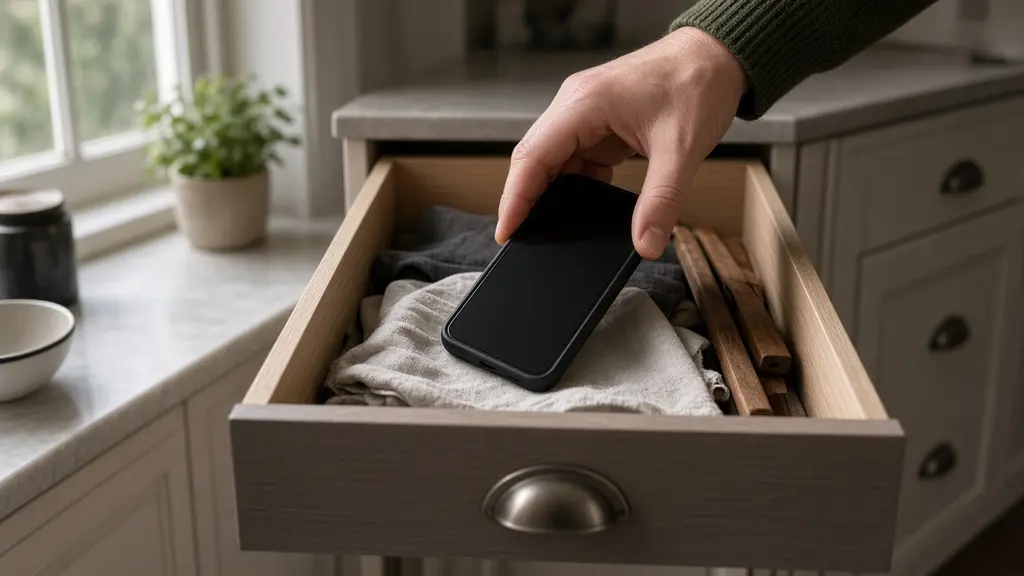
Clinicians treat gambling disorder as an addiction that does not need a substance. The loop is familiar: urge, act, brief relief, then a worse hole. Brain-imaging work over the last two decades has shown overlap with other addictions in how reward and impulse control fire. I am not going to pretend I ran those scans. I am going to say what that means in a British living room.
The prefrontal bit that says “stop, that rent is due” is the bit that gets quieter when the session is already a chase. Risk and delayed consequences get mis-read. A near-miss on a slot is not almost-winning. It is the machine doing its job.
Family history of addiction raises risk. So does using gambling as a mood drug — anxiety, depression, loneliness, a row, a win you are trying to copy. Victoria Coren Mitchell’s distinction matters here: poker has an essentially fair contest buried in it; casino products sit at unfavourable odds and can be dangerous for the vulnerable or desperate. If you are using the second kind to treat a mood, you are stacking two problems.
The Commission’s Gambling Survey for Great Britain (2025 official statistics) found 2.4 per cent of adults in the PGSI 8+ band — the screen for problem gambling. Participation is much wider: 47 per cent of adults had gambled in the previous four weeks, a lot of that lottery tickets. Most people who buy a Wednesday draw are not the clinical population. Online casino and instant products sit closer to the sharp end.
You do not need to wait until you match a textbook. The helpline does not require a PGSI printout.
Fact 2 — Recovery is treatment plus friction, not willpower slogans
There is no pill that is licensed as a magic stop for gambling. Some medicines used for mood or impulse conditions get discussed in clinic. That is a doctor’s job. Mine is to name the doors that actually exist in Britain in 2026.
Talking treatments. Cognitive and behavioural work is the standard: catch the thought that the next spin “is due”, change the environment so depositing is harder, sit with the mixed feeling about stopping. Motivational work is the honest bit — part of you wants the app, part of you wants the life back.
National Gambling Helpline. GamCare 0808 8020 133 (England and Scotland), 0808 2819 265 in Wales. Phone, and other channels they run. 24/7. They will not process GAMSTOP for you. They will talk, and they will point.
NHS pathway. From April 2026, NHS England commissions gambling-harm treatment in England under the statutory levy that replaced the old charity-led model. GambleAware’s consumer service closed in March 2026. If an operator footer still prints that old brand, ignore the logo. Use the helpline and your GP.
Intensive / residential. Gordon Moody still exists for people who need more than a weekly call. England services sit in the 2026 funding picture. Application is theirs, not ours. 01384 241292.
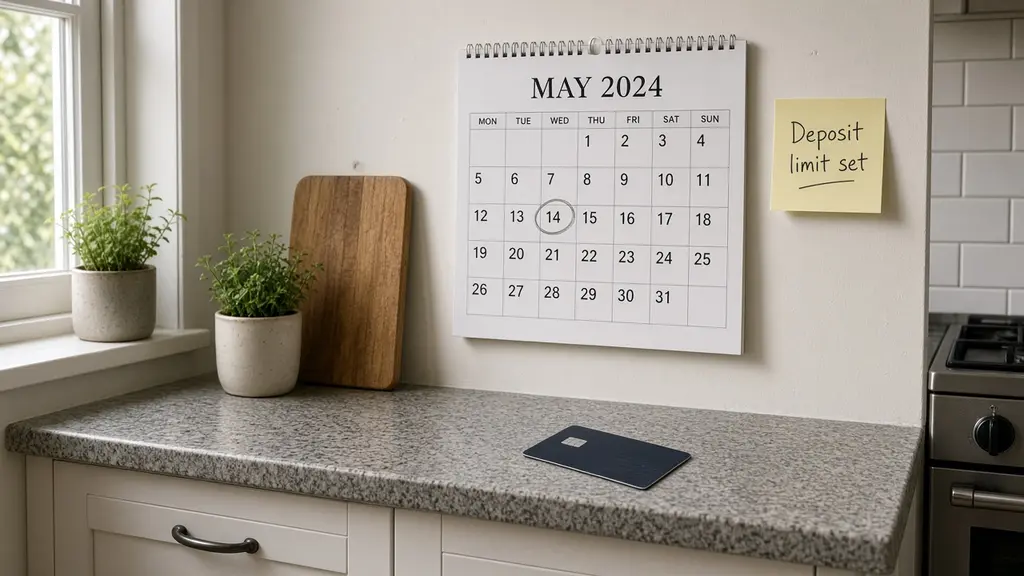
Friction. GAMSTOP. Deposit limits named as such from September 2026. Bank merchant blocks. Device blockers. Time-outs. None of these “cure” an addiction. They make the next deposit less convenient while treatment does the slower job.
Liv Boeree’s line on instant digital casino as dopamine exploitation is why I will not tell you to “just play slots with a timer” as if that were therapy. A timer is a tool. Recovery is a plan with another human in it.
Relapse is common. It is not proof you are a lost cause. It is proof the product is still on your phone. Remove the app. Register the stop. Call again.

Fact 3 — Women are not a footnote
The old cartoon of a problem gambler is a man in a betting shop. The clinic lists are more mixed than that cartoon, and in some age bands women are a large share of people seeking help.
Patterns clinicians keep seeing, and that I will not dress up as a new UK census:
- later start than many men, faster escalation once it starts
- escape from a mood or a life change — divorce, retirement, caring, isolation — more often than “I can beat the market”
- higher rates of mood disorder sitting underneath
- shame that delays the call, because the cartoon did not look like them
None of that means men are fine. Men still dominate some sports-betting harm pictures, especially younger adults in the Commission’s participation tables. It means a helpline script that only speaks to Saturday accumulators will miss people using bingo, slots, or late-night live casino as a lid on a bad week.
If you are calling for a partner, a parent, or a grown child, you can still call. You cannot force treatment. You can stop funding the hole.
Fact 4 — Prevention is dull, and it works better than a slogan
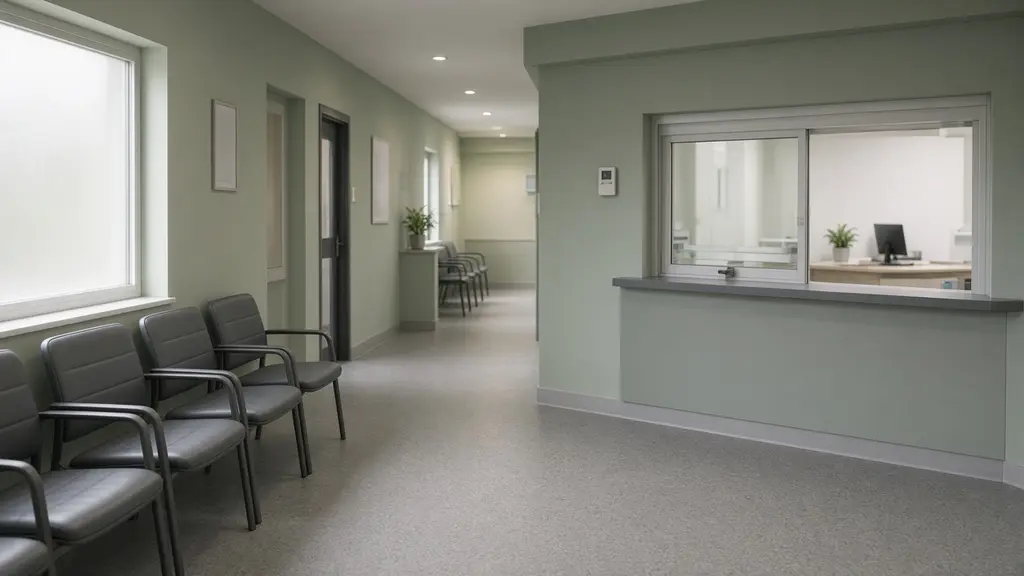
Treatment gets the headlines. Prevention is a deposit limit set on a Tuesday afternoon when nothing is wrong.
Practical list I actually mean:
- Cap the money in, not a fantasy “I’ll stop when I’m up”. Afford to lose the number you type.
- Cap the time. A phone alarm you cannot snooze from inside the app.
- Do not chase. The next spin does not know you lost.
- Know the product. Multi-line slots turn “50p” into several pounds a go. Read the stake before you tap.
- Treat RNG as RNG. Tracking last results is a hobby, not an edge.
- Keep gambling off the household bills. Separate pot. Not the rent card.
- If you are already lying about it, you are past prevention. Helpline, then GAMSTOP.
Under-18s cannot hold a GB remote account. If a child has got in, that is safeguarding and a licence problem, not a “they’re mature” conversation. Helpline plus the Commission, not a forum.
Paying someone’s gambling debts as a first rescue often buys the next session. Better: go with them to set the limit, sit with them on the GAMSTOP form, and get financial advice that is not you writing a cheque into the same hole.
Myths I keep hearing
“It’s only a problem if you can’t afford it.” Harm also shows up as rows, missed work, and a head that will not leave the app. Money is one damage. It is not the only one.
“I only play sometimes.” Binge patterns exist. Rare and catastrophic still counts.
“Responsible people don’t get addicted.” Control can fail in one domain and still look fine at the office until it doesn’t.
“If I win it back, the problem is over.” A win in a chase is fuel. It is not a cure.
“Blocking one brand is enough.” One-brand tools are useful. The remote market is larger than one brand. That is why a national scheme exists.
If you are not safe tonight
Samaritans 116 123. Gambling helpline 0808 8020 133. If it is an emergency, the usual 999 route. This URL cannot talk you down. People on those numbers can.
Frequently Asked Questions
Is gambling addiction “real”?
Yes. It is treated as a behavioural addiction. You do not need a substance for the loop to wreck a week.
How common is it in Great Britain?
The Commission’s 2025 survey put 2.4 per cent of adults in the PGSI 8+ band. Most adults who gamble are not in that band. Online casino products punch above their participation share in harm screens.
Where do I start?
Call GamCare. If you need the apps to stop, register GAMSTOP the same day. If you need clinical treatment, ask the helpline and your GP about the NHS pathway.
Will medicine fix it?
Not as a DIY. Clinic first.
Can I recover and still have a licensed account?
Some people return to lottery-only or stay stopped. I will not write a “safe amount” for someone who already lost control. If you are in treatment, that is a question for the clinician, not a review desk.
Does this site diagnose me?
No. A page is not a diagnosis. A helpline is still the right next call.
Safer play
- GamCare 0808 8020 133 · Wales 0808 2819 265
- GAMSTOP
- Gordon Moody 01384 241292
- NHS gambling-harm treatment / your GP
- Gambling Commission player information
- Samaritans 116 123
18+. You can lose. This is information, not treatment, and not a ranking.
Updated: October 2026.